

What Your Words Really Say
How our new Enneagram Lexical Analysis test helps you find your type

In 2020, Aaron and I embarked on a mission to validate the way I had been taught the Enneagram through our Enneagram mentor, Katherine Fauvre, who developed the first methodology for determining Enneagram type, Tritype®, and instinctual stacking from respondents’ language, using their answers to several open-ended questions to help determine the person’s self-image. My Enneagram Lexical Analysis study did just that, and it showed that people’s language did, in fact, map onto the nine Enneagram types and the three instinctual types in a reliable way (within the personality system’s inherent logic).
From that study, I sought to develop my own testing instrument out of those insights, and the ELAT (Enneagram Lexical Analysis Test) was born. After a second revision following the initial test data recorded in 2022, we have spent the past few years collecting additional data from both questionnaire responses and typing sessions, all of it anonymized and stripped of identity markers. From that accumulated material, the development of the Enneagram Lexical Analysis Test 3.0 began.
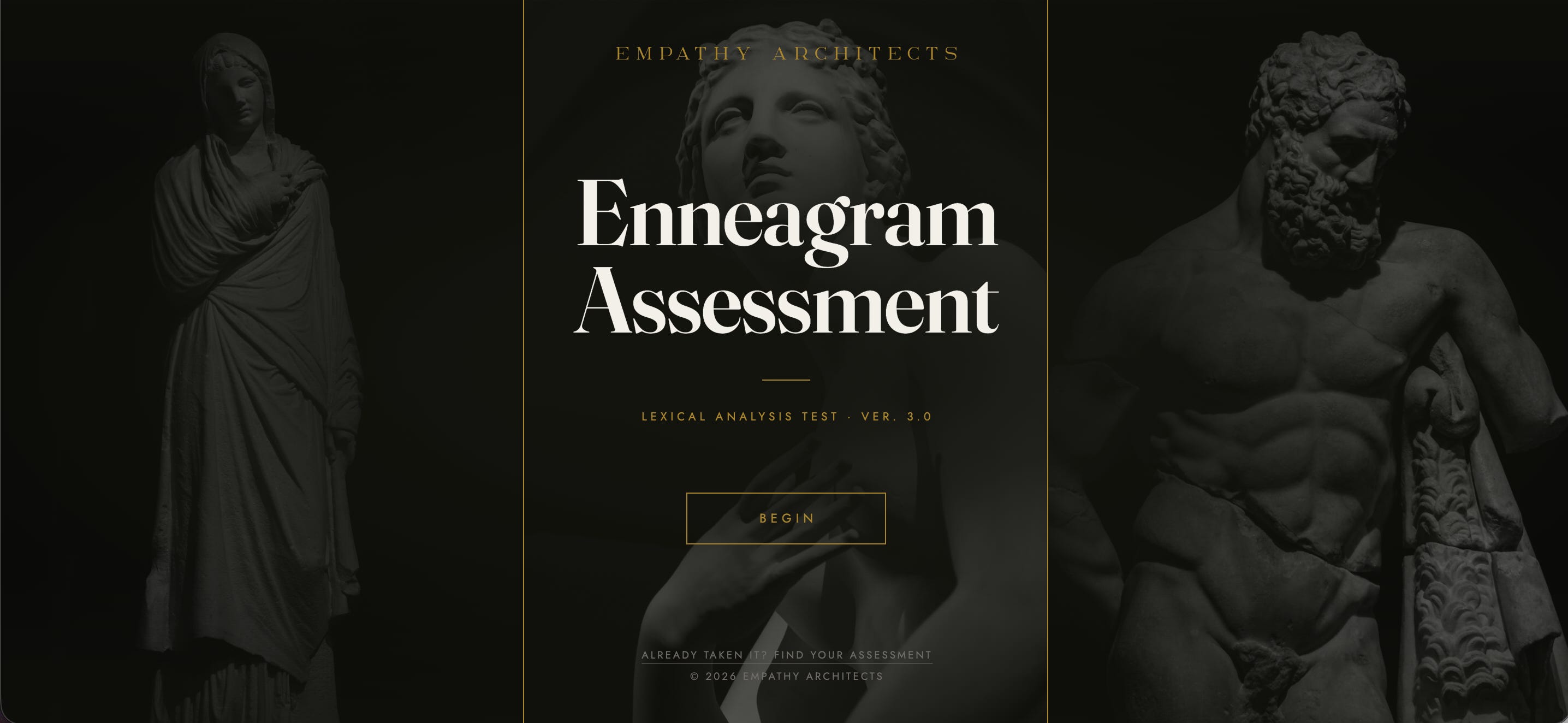
One thing I was always dissatisfied with was that the responses on the questionnaire could only be used in session to validate a typing. That fact remains largely true, since one-on-one typing sessions or deep coaching are the only reliable way to accurately determine type, and no psychometric test can be considered entirely reliable given the variety of variables that static inventories of the inner world cannot capture. However, I knew that with the help of modern technology, analyzing respondents’ language choices could greatly inform and bolster their selections in the visual portion of the test.
Which brings me to the second and equally valuable portion of the assessment. Using imagery to determine psychological motivation has a long history, dating back to Freud and Jung, because archetypal imagery helps bypass the conscious mind and access more of the unconscious material beneath our conscious proclamations. The free-response questions are now used to help validate rather than determine type, in a way that the Enneagram Lexical Analysis version 2.0 could not.
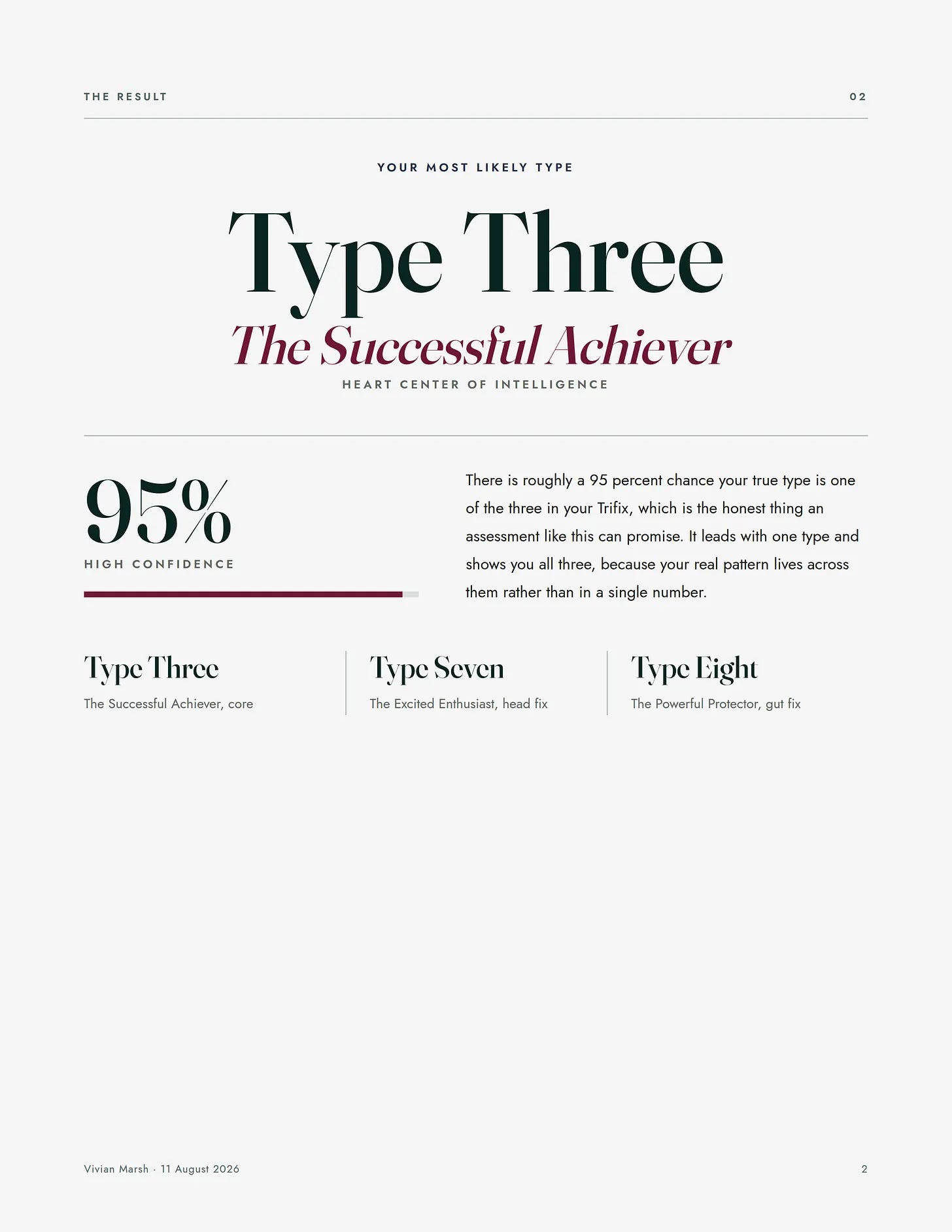
We still maintain that one-on-one live typing and coaching sessions are the most reliable way to determine type and instinct; however, a finely tuned assessment goes a long way toward assisting that process. For some, the assessment alone is enough and settles the debate. For a few types (2s, 6s, and 9s in particular), the correct type can remain elusive because pride, fear, and indolence obscure the deeper psychological motivations and instead manifest as different types, typically 1, 4, 8, and occasionally 7 for type 2.
This retooling stems from a genuine desire to help people pinpoint and understand their deeper psychological motivations, so they can get to the more important work of loosening the ego’s grip, since it is only when that grip loosens that the type is free to express its gifts more fully, without the obstructions posed by the defenses that cloud our judgment and create trouble for us and for the people around us.
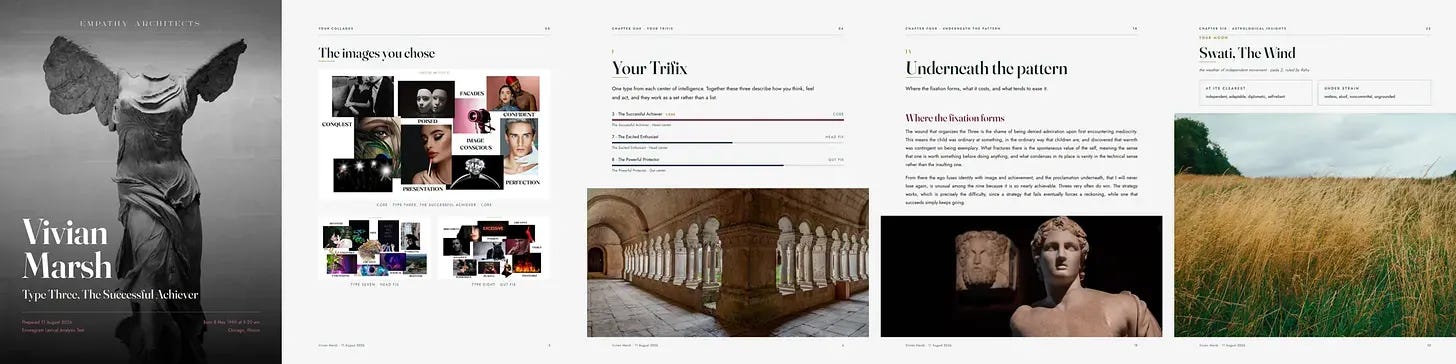
Another change to our original test is the addition of an astrological insight that we’ve long found helpful in giving shape and expression to the nine types, 27 subtypes, and trifix archetypes, adding yet another layer of complexity. In Vedic or Sidereal astrology, there are conveniently 27 lunar mansions, which speak to the emotional expression or “weather” of a particular person’s nature. More somatic and pre-egoic archetypal than the type structures themselves, the nakshatras are one of the more illuminating aspects of the sidereal reading.
The other astrological element we wanted to add is the arudha lagna, which, in sidereal astrology, can be thought of as the image that meets the world, and for most of us, it differs from our internal experience.
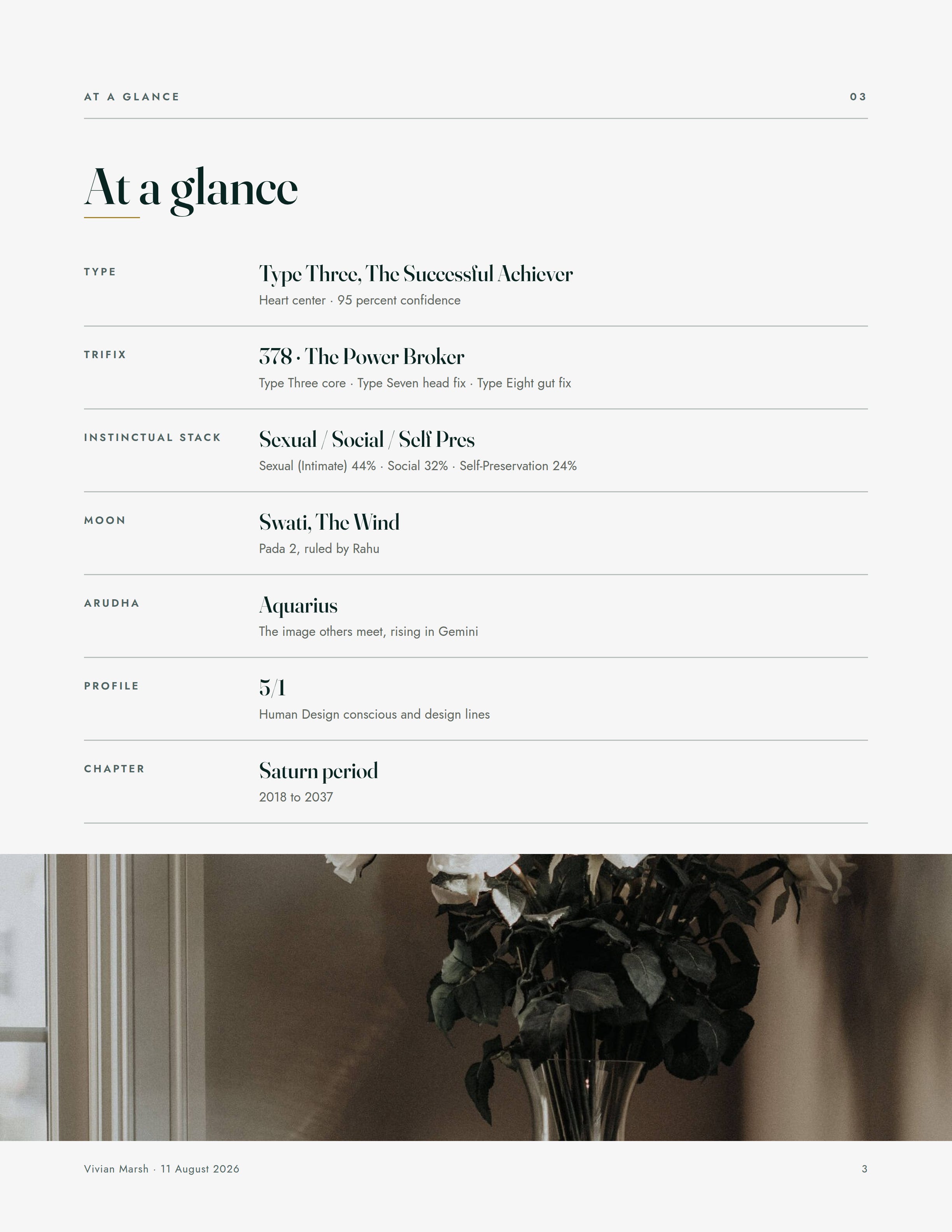
Both astrological components are filtered through the Enneagram type itself to show how the stars may influence the presentation and mechanics of the primary Enneagram type, trifix, and instinctual stacking.
Our hope is that this new instrument will provide you with insight and a new perspective on your inner world.
258. Confidence rate 86%. When typed officially through interview by you guys in older test as reference I ended up with 251